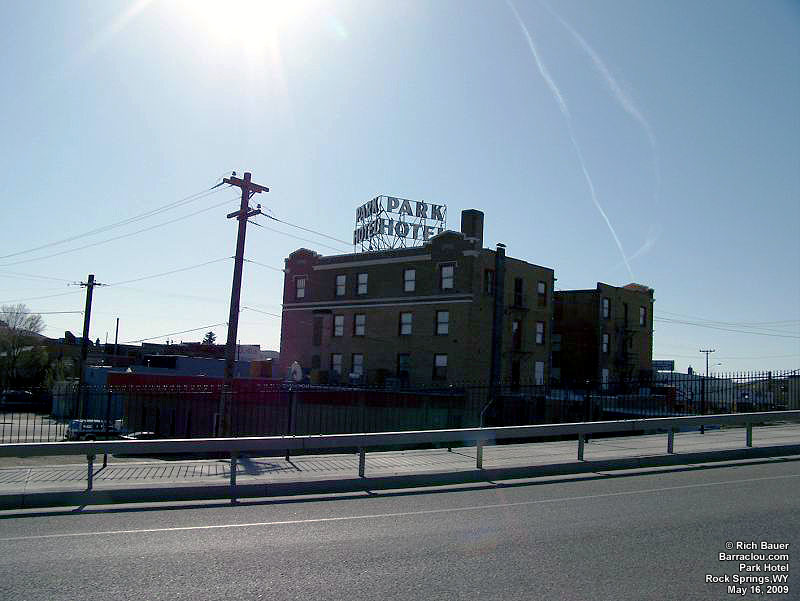
About the people we loved, the years we survived, and the ghosts that shaped us.
I. 1992 — The First Telling
She was dressing in front of the vanity mirror beside me. I watched her glue her eyelashes to her lids and pull the wig on with special care, landing the bangs in precisely the perfect spot on her forehead. She was beautiful then.
She took my hand and held it through the music. I swayed in time to the words that shook me from the inside. Later, I watched her dance from a distance—tall, alone, out of place, stunning. A small hint of jealousy, and then love. I miss her now.
There was a time when I was twenty-one, when the four of us sat in a dumpy café in Wyoming, discussing our plans for a long trip to Europe. I snuck into the bathroom and chopped out lines on the back of a toilet. I sucked them up and tucked the razor blade into my coat pocket.
Last year, he said he missed the old me—the one in the diner with curly hair and puffy cheeks. I got too thin, too high-strung, lost my sense of humor. I didn’t make them laugh the way I used to.
But then, narrowed down to three, I didn’t have much to hold onto anymore.
Two of us left for Texas, the other two for college. I got knocked up; you got educated. I got left behind, and the rest of you built a life—the kind I watch with envy, ever so slightly resentful.
That I am so much older and have nothing at all.
Oh, but those were the days. And nights. When we slept in cheap motels and made love under cheap lamps and ate cream with plastic forks that later ran down from the container and onto the orange shag carpet while we slept and melted into and out of our stupid teenage dreams.
We barbecued bagels at the park in the middle of January. Joy Division. Dramarama. Skinny Puppy. Songs that swirled and sucked and sang us to sleep in the backseat of a car that was too small and dirty.
And you regret leaving.
And I regret staying.
And we will never read posters upside down and backwards from your red satin sheets in a dingy little town again.
KRAP KRAD OOT
Because we fell apart and our dreams died in Kansas under a full moon and a blanket of highway noise that tricked us into believing love was a one-way ticket to heaven.
No layovers.
No lost luggage.
No wrong turns.
But then again, we read upside down and backwards.
And translations such as that are easily misinterpreted.
II. 2025 — The Last One Standing
The years peeled away the shine from everything we thought we were.
And I still see them—long hair, cigarettes, that smirking beauty of people who lit matches with their teeth, convinced time was something they could outrun, barefoot and laughing.
But they edited themselves out of the story. Left no margin notes. No honest way to reread the ending. No place to press a finger and say: here.
Just… gone—like a sentence severed mid-thought, like a needle skipping the same scar in the groove, silence swallowing the crescendo we never got to hear.
And she…
She didn’t die, but she didn’t stay.
Something in her tilted, cracked, wriggled loose from its hinge.
The girl who glued her lashes on straight and danced on that thin threshold between girlhood and escape is now a flicker at the edge of memory—not dead, not alive, just drifting through the rubble of who we were, untethered, half-gone without ever leaving.
And me?
I didn’t explode, implode, or vanish into some tragic mythology.
No brilliance in the breaking.
No poetry in the aftermath.
Just the slow suffocation of surviving.
No cocaine in bathroom stalls. Just Tylenol in a desk drawer. Just meetings. Just emails. Just the quiet erosion of a life shrinking itself to fit inboxes and to-do lists, without ever asking permission.
Some days—mid-breath, mid-blink, in a sentence meant for someone else—I fall backward—
into Wyoming, the four of us, shivering, alive in ways we didn’t understand yet—sure the future was a raw animal thrumming in our fists, something we could shape, or at least keep alive.
And it hits me—a gut-shot from a ghost:
I’m the one left.
A whole universe collapsed before it had the chance to age—and someone was left to stand in the dust, hands cupped around the last living trace of it.
Some days that memory is just a pulse.
Some days, it’s the only thing strong enough to still call home.